
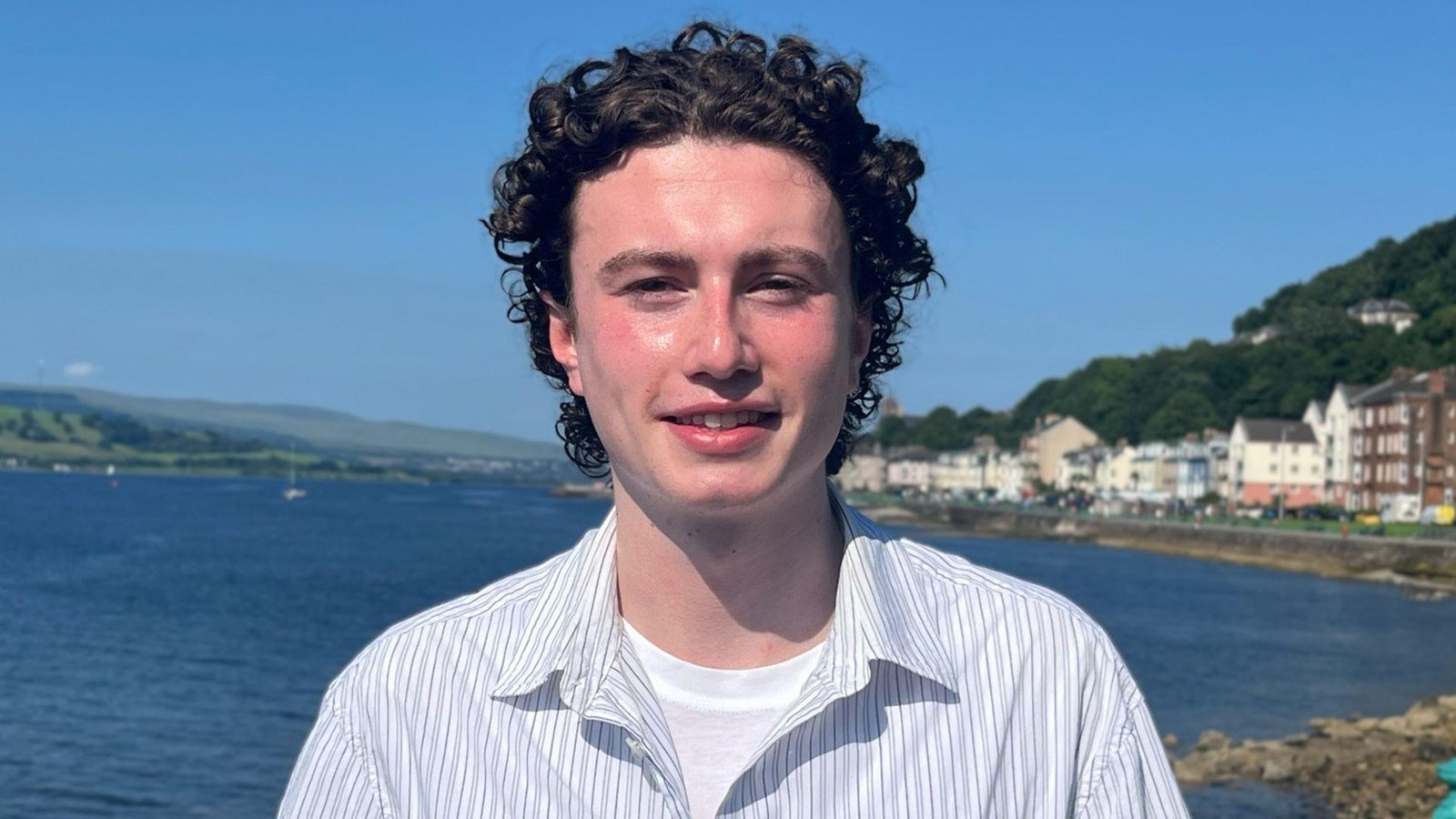
The Population of Greenock, on the west coast of Scotland, has been declining for decades
Anew shop opened along the fading High Street of Greenock in May. Anik African Store has brought a little corner of Nigeria to the town in Scotland, selling sweet potatoes, plantains, okra and catfish. Thisis not the onlyAfricanfood shop here - there is another just a few meters away, responding to the changing population of the area.
Illustration. Five years ago, locals say, it was rare to see black people inGreenock. Currently hundreds of Africans and refugees have moved to the region.
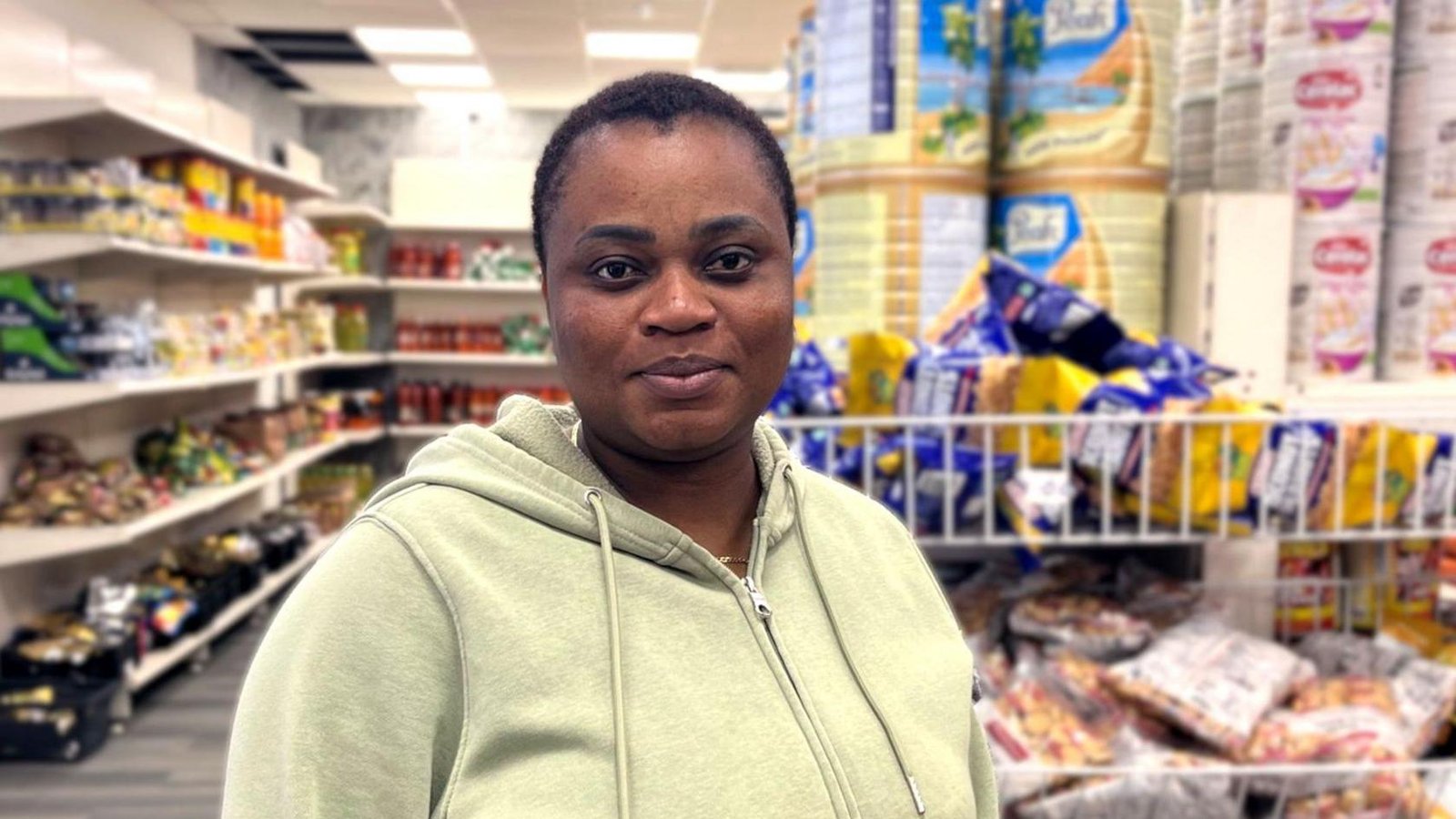
The local Council has actually made plans to attract more people to this western corner ofScotlandas a way to stem its population decline. Scottish people are “friendly and accommodating”, says Anik's owner, Christianah Omilana, who came to England in 2021. "Immigrantswill come when there are jobs", he added.
Illustration. Lack of jobs has been the main driver of depopulation inGreenock and the widerInverclyde area. No local authority in Scotland has been hit hardest by the population decline.

Thenumber of residents in Inverclyde is less than 22000 people compared to 1981. And its current population, 78.000 people, is expected to decline by another 16% in the next two decades. Tovercomingthe population shortage is a key priority for the council, by keeping more residents here and attracting others to the area.
Illustration. It is a "beautiful and friendly" town, said one of Customers Anik, Sun, who recently moved here from Devon. He had started work at a hospital in Glasgow, and came to Greenock to join his wife who was working at the local hospital, Inverclyde Royal.
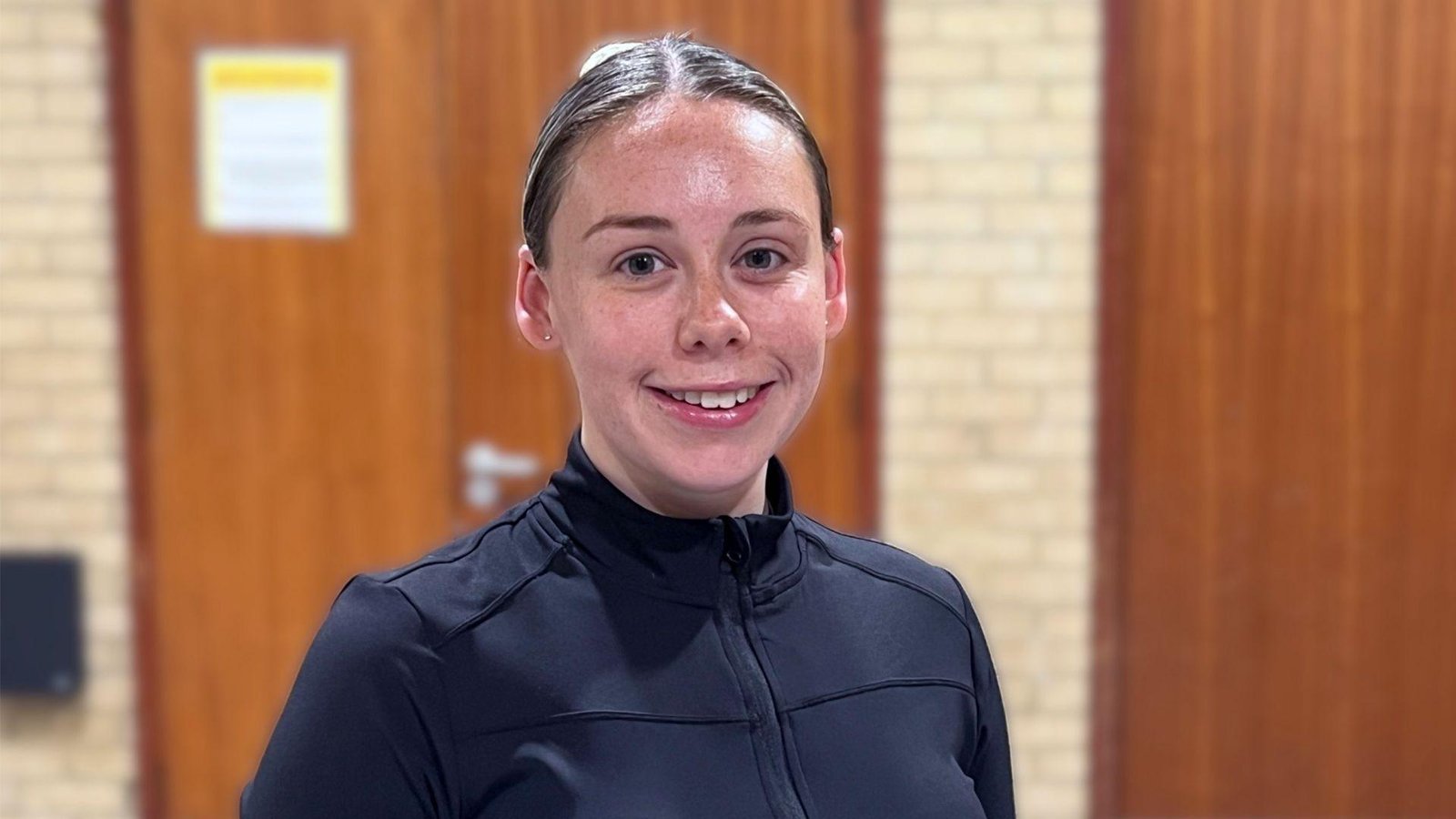
"Ifthe local council could provide [jobs], everything inGreenock would change, because people [fromAfrica] would want to come," saidSunday. Michael Buchanan and Adam Eley visited Greenock for the latest in a series of reports reflecting the challenges facing communities across England. Most of the African residents in Greenock work or study in Glasgow or Paisley and are attracted to the city by its cheap housing.
Tmanyof them arrived on skilled work visas, known as sponsorships, which help boost the workforce in the health and care sector. Inverclyde's Council's repopulation strategy is based on encouraging them to settle here, as well as attracting other legal migrants and people who have been granted refugee status to move. "It's a ghost town," saidTiffany, a mother of one, whom we met at a local parent and toddler group.
"Thereis nothing in it. There is Nothing to do, there are no shops. There are No jobs.”
Comment (0)
No comments yet. Be the first!
Leave a Comment